Form follows process
The way we design a process inevitably shapes the outcomes it produces. That was the most important lesson I took from my master’s degree at the London College of Communication. Later, working with my mentor and creative director Marina Willer at Pentagram, I saw firsthand how she pushed for unconventional ways of making – whether through hands-on, low-tech experimentation or the opposite end of the spectrum with digital tools.
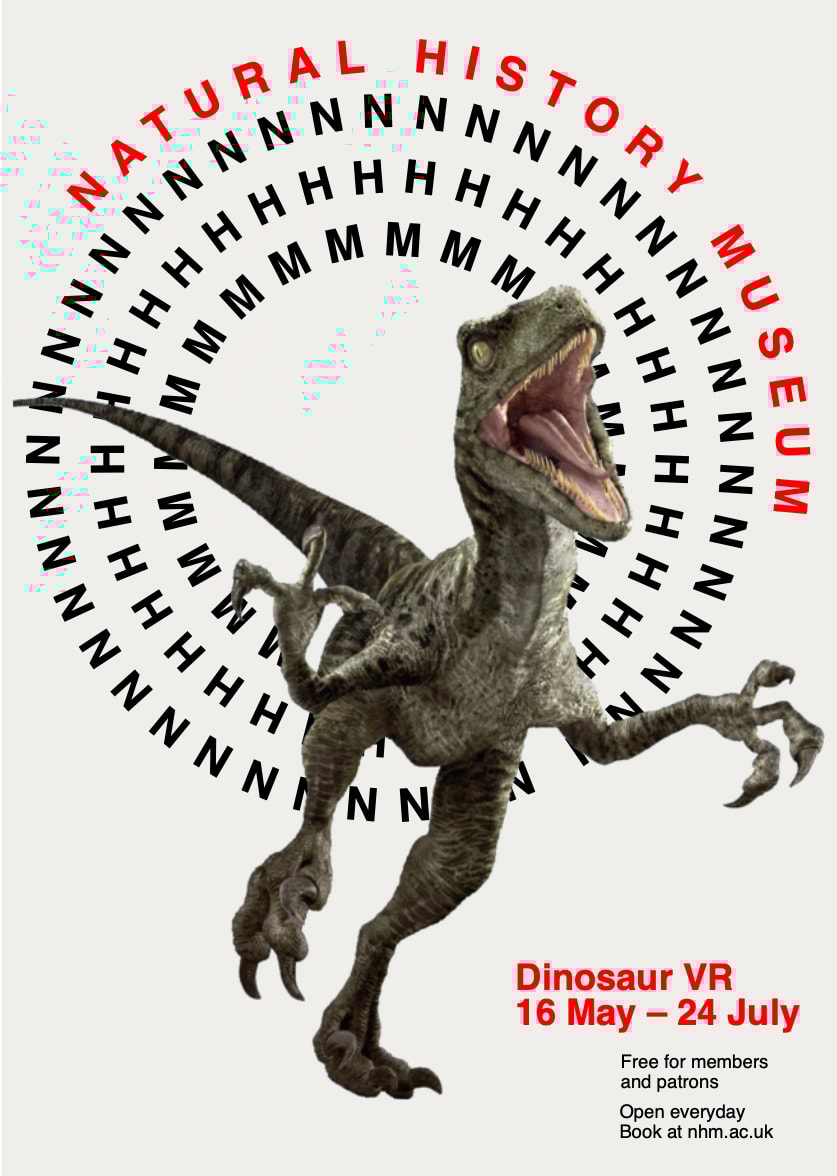
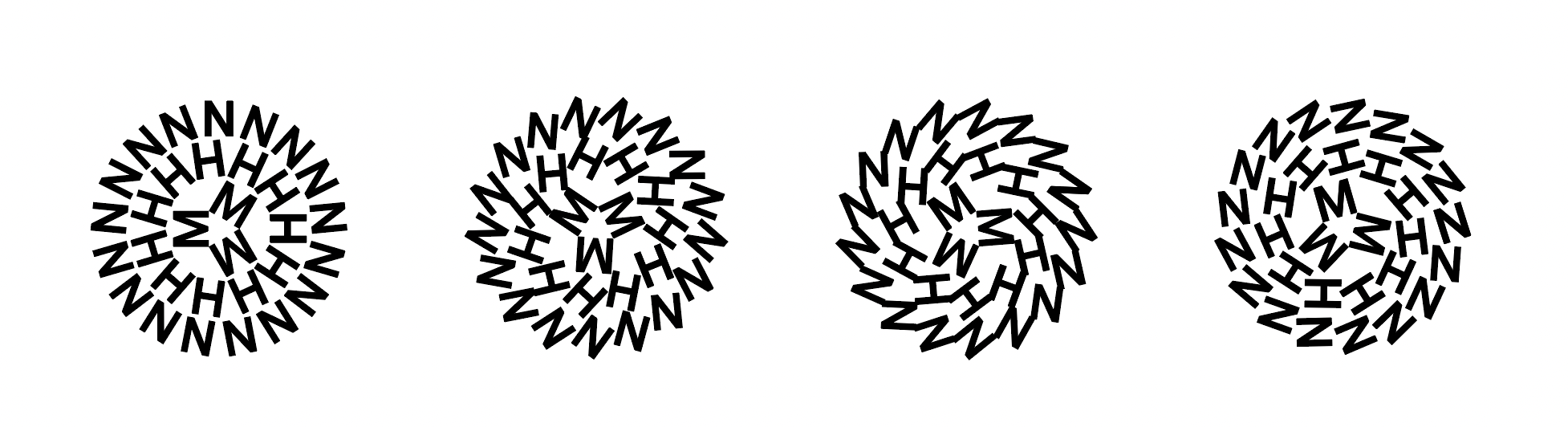
A clear example was the Natural History Museum rebrand. Guided by the concept “from passive catalogue to inspiring catalyst,” both our team and Nomad explored multiple ways to express that shift, from chemical reactions to analogue experiments to digitally generated circles. We ultimately landed on a solution created through creative coding, but only after the process itself revealed what worked.

Natural History Museum
→

Own the tools
Generator tools are a signature of many Pentagram projects, and I was fortunate to work on a few – such as for Rolls-Royce Motor Cars and Natural History Museum. In the past, these tools required highly specialized creative coders; now, early experimentation can begin with AI and a bit of “vibe coding.” If the tools we use shape the aesthetics we produce – a hammer leaves a hammer mark – then creating custom tools is a direct path to new visual languages. These early explorations never replace the skill of an expert creative coder, but they serve as valuable proofs of concept before bringing specialists in.
Rolls-Royce Motor Cars
→
The right partners
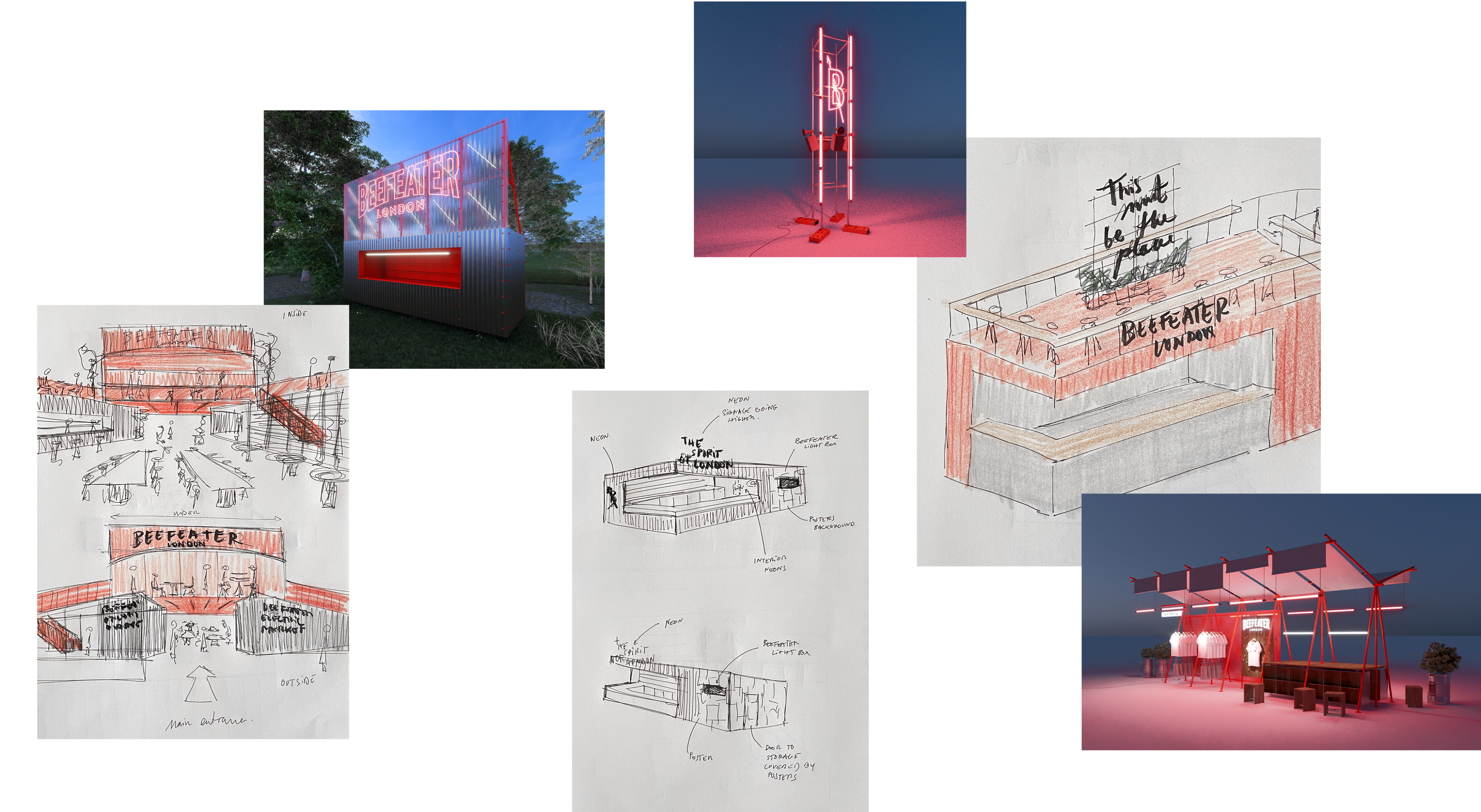
Choosing the right partners can be the difference between good work and exceptional work – especially when those partners are not the usual suspects. For Sabat we sought out emerging illustrators to expand the magazine’s community. For Beefeater, instead of working with traditional experiential designers, we collaborated with Spanish interior design studio Clap and 3D visualizer Ángel Pérez. Their spatial thinking and visual approach elevated the entire project.
Beefeater Gin
→
Work+flow
Mihaly Csikszentmihalyi defines flow as a state of complete immersion and energized focus, where everything else falls away. Throughout the creative process, I believe we must channel the right energy at the right moment. Generating new ideas is unhelpful when we just need to get stuff done; thinking in getting stuff done is unproductive when we need to be exploring.
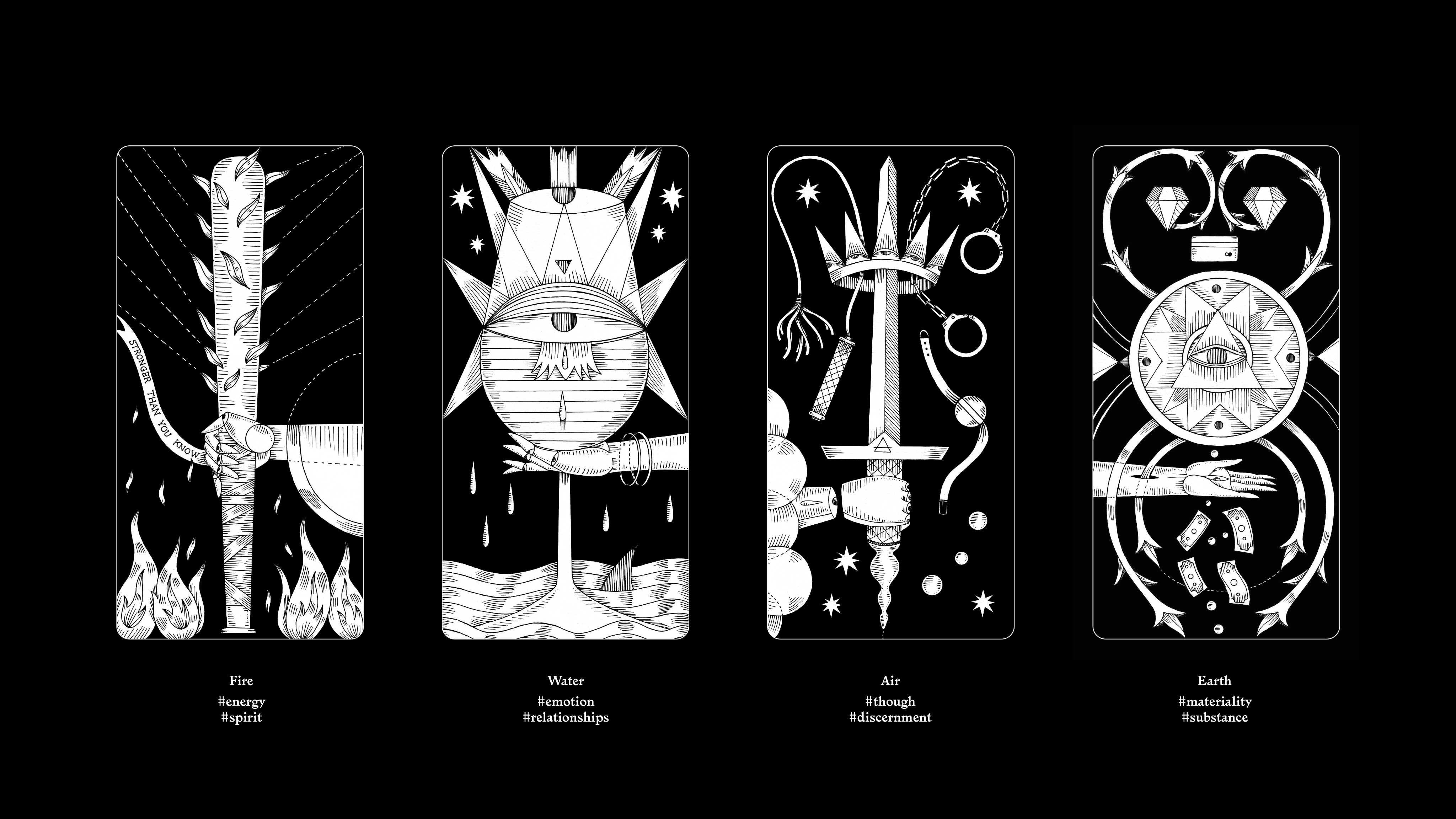
If we borrow from the alchemical process of magick, we can map it to a design workflow: fire is insight, water is generating, air is selecting, and earth is producing. Helping students and early-career designers understand these shifts is one of the best ways to ease the anxieties that come with creative work.
Sabat 5: Tarot
→
Start with an open mind
NB Studio founders Nick Finney and Alan Dye wrote a series of “rules” that capture their ethos. My favourite is “start with an open mind.” It reminds us to stay focused on the right questions and to embrace genuine collaboration. We won the Streamtime pitch by inviting the client into a “war room,” covering the walls with early research and insights and opening the space for an honest, shared conversation.
We kept this “everything on the wall” approach throughout the project – physically and digitally – running workshops with the team in Australia through FigJam.
Streamtime
→
Contact


Form follows process
The way we design a process inevitably shapes the outcomes it produces. That was the most important lesson I took from my master’s degree at the London College of Communication. Later, working with my mentor and creative director Marina Willer at Pentagram, I saw firsthand how she pushed for unconventional ways of making – whether through hands-on, low-tech experimentation or the opposite end of the spectrum with digital tools.
A clear example was the Natural History Museum rebrand. Guided by the concept “from passive catalogue to inspiring catalyst,” both our team and Nomad explored multiple ways to express that shift, from chemical reactions to analogue experiments to digitally generated circles. We ultimately landed on a solution created through creative coding, but only after the process itself revealed what worked.

Natural History Museum
→

Own the tools
Generator tools are a signature of many Pentagram projects, and I was fortunate to work on a few – such as for Rolls-Royce Motor Cars and Natural History Museum. In the past, these tools required highly specialized creative coders; now, early experimentation can begin with AI and a bit of “vibe coding.” If the tools we use shape the aesthetics we produce – a hammer leaves a hammer mark – then creating custom tools is a direct path to new visual languages. These early explorations never replace the skill of an expert creative coder, but they serve as valuable proofs of concept before bringing specialists in.
Rolls-Royce Motor Cars
→
The right partners
Choosing the right partners can be the difference between good work and exceptional work – especially when those partners are not the usual suspects. For Sabat we sought out emerging illustrators to expand the magazine’s community. For Beefeater, instead of working with traditional experiential designers, we collaborated with Spanish interior design studio Clap and 3D visualizer Ángel Pérez. Their spatial thinking and visual approach elevated the entire project.
Beefeater Gin
→
Work+flow
Mihaly Csikszentmihalyi defines flow as a state of complete immersion and energized focus, where everything else falls away. Throughout the creative process, I believe we must channel the right energy at the right moment. Generating new ideas is unhelpful when we just need to get stuff done; thinking in getting stuff done is unproductive when we need to be exploring.
If we borrow from the alchemical process of magick, we can map it to a design workflow: fire is insight, water is generating, air is selecting, and earth is producing. Helping students and early-career designers understand these shifts is one of the best ways to ease the anxieties that come with creative work.
Sabat 5: Tarot
→
Start with an open mind
NB Studio founders Nick Finney and Alan Dye wrote a series of “rules” that capture their ethos. My favourite is “start with an open mind.” It reminds us to stay focused on the right questions and to embrace genuine collaboration. We won the Streamtime pitch by inviting the client into a “war room,” covering the walls with early research and insights and opening the space for an honest, shared conversation.
We kept this “everything on the wall” approach throughout the project – physically and digitally – running workshops with the team in Australia through FigJam.
Streamtime
→
Contact
Form follows process
The way we design a process inevitably shapes the outcomes it produces. That was the most important lesson I took from my master’s degree at the London College of Communication. Later, working with my mentor and creative director Marina Willer at Pentagram, I saw firsthand how she pushed for unconventional ways of making – whether through hands-on, low-tech experimentation or the opposite end of the spectrum with digital tools.
A clear example was the Natural History Museum rebrand. Guided by the concept “from passive catalogue to inspiring catalyst,” both our team and Nomad explored multiple ways to express that shift, from chemical reactions to analogue experiments to digitally generated circles. We ultimately landed on a solution created through creative coding, but only after the process itself revealed what worked.

Natural History Museum
→

Own the tools
Generator tools are a signature of many Pentagram projects, and I was fortunate to work on a few – such as for Rolls-Royce Motor Cars and Natural History Museum. In the past, these tools required highly specialized creative coders; now, early experimentation can begin with AI and a bit of “vibe coding.” If the tools we use shape the aesthetics we produce – a hammer leaves a hammer mark – then creating custom tools is a direct path to new visual languages. These early explorations never replace the skill of an expert creative coder, but they serve as valuable proofs of concept before bringing specialists in.
Rolls-Royce Motor Cars
→
The right partners
Choosing the right partners can be the difference between good work and exceptional work – especially when those partners are not the usual suspects. For Sabat we sought out emerging illustrators to expand the magazine’s community. For Beefeater, instead of working with traditional experiential designers, we collaborated with Spanish interior design studio Clap and 3D visualizer Ángel Pérez. Their spatial thinking and visual approach elevated the entire project.
Beefeater Gin
→
Work+flow
Mihaly Csikszentmihalyi defines flow as a state of complete immersion and energized focus, where everything else falls away. Throughout the creative process, I believe we must channel the right energy at the right moment. Generating new ideas is unhelpful when we just need to get stuff done; thinking in getting stuff done is unproductive when we need to be exploring.
If we borrow from the alchemical process of magick, we can map it to a design workflow: fire is insight, water is generating, air is selecting, and earth is producing. Helping students and early-career designers understand these shifts is one of the best ways to ease the anxieties that come with creative work.
Sabat 5: Tarot
→
Start with an open mind
NB Studio founders Nick Finney and Alan Dye wrote a series of “rules” that capture their ethos. My favourite is “start with an open mind.” It reminds us to stay focused on the right questions and to embrace genuine collaboration. We won the Streamtime pitch by inviting the client into a “war room,” covering the walls with early research and insights and opening the space for an honest, shared conversation.
We kept this “everything on the wall” approach throughout the project – physically and digitally – running workshops with the team in Australia through FigJam.
Streamtime
→
Contact